
When the Founding Fathers crafted the Constitution in 1787, they understood that the greatest threat to a republic wasn't foreign invasion or economic collapse—it was corruption from within. Having witnessed firsthand how European monarchies crumbled under the weight of officials enriching themselves through their positions, the Founders embedded two powerful anti-corruption provisions into the Constitution: the Foreign Emoluments Clause and the Domestic Emoluments Clause. Today, these constitutional firewalls might as well be invisible for all the attention Washington pays them.
The Founders' Anti-Corruption Blueprint
Article I, Section 9 states that "no Person holding any Office of Profit or Trust under [the United States], shall, without the Consent of the Congress, accept of any present, Emolument, Office, or Title, of any kind whatever, from any King, Prince, or foreign State." Article II, Section 1 declares that the President "shall not receive within that Period any other Emolument from the United States, or any of them."
These weren't afterthoughts. The Foreign Emoluments Clause emerged from the Founders' deep concern about foreign influence corrupting American officials. Alexander Hamilton warned in Federalist 22 about the dangers of foreign powers gaining "an improper ascendant in our councils." The Domestic Emoluments Clause ensures the President cannot be bought by states or Congress through financial incentives beyond the constitutionally mandated salary.
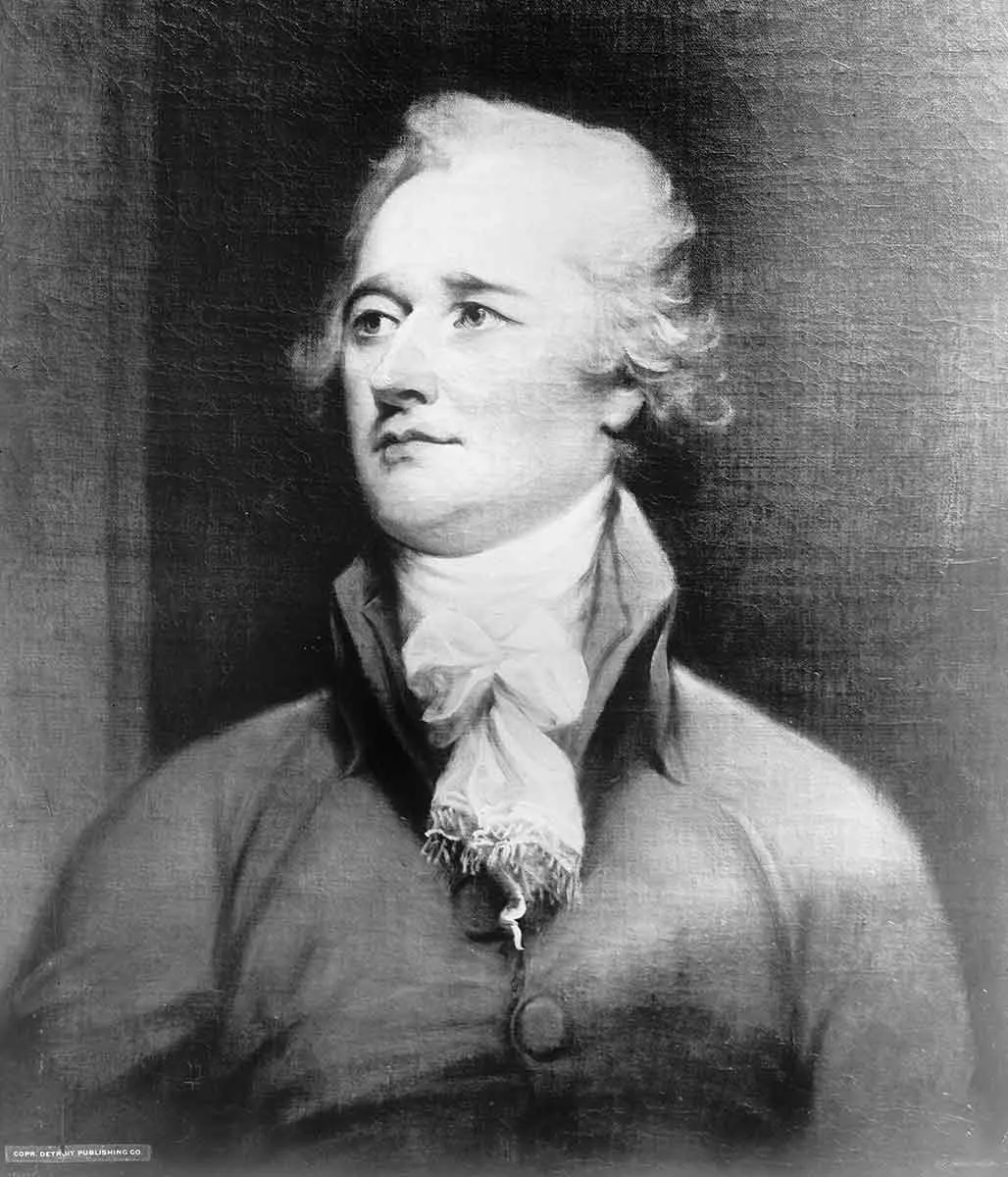 Photo: Alexander Hamilton, via cdn.thecollector.com
The language is unambiguous. "Emolument" in 18th-century usage meant any profit, gain, or advantage arising from office—not just direct cash payments. The Founders deliberately chose broad language to close every conceivable loophole.
The Bipartisan Conspiracy of Silence
Yet for decades, both parties have treated these clauses as constitutional decoration rather than binding law. The pattern is consistent: when their guy is in office, the emoluments clauses are either irrelevant technicalities or require "context" to understand. When the other party holds power, suddenly these provisions become urgent constitutional crises.
During recent administrations, we've witnessed this selective constitutionalism in full display. Foreign delegations staying at properties owned by sitting presidents, book deals worth millions signed while in office, speaking fees from foreign entities, and business interests that create clear conflicts of interest—all while constitutional scholars on both sides engage in elaborate mental gymnastics to explain why the Founders' clear text doesn't mean what it plainly says.
The Supreme Court has largely punted on enforcement, citing standing issues and political question doctrine. Congress, which the Constitution explicitly grants authority to consent to foreign emoluments, has abdicated its responsibility. The result is a constitutional provision with no practical enforcement mechanism—exactly what the Founders feared would happen to any safeguard against corruption.
 Photo: Supreme Court, via cdn.britannica.com
Why Conservatives Must Lead on Constitutional Fidelity
For conservatives who champion originalist interpretation and constitutional fidelity, the emoluments clauses present an uncomfortable test. We cannot credibly argue that the Second Amendment's text is sacred while treating anti-corruption provisions as suggestions. Either the Constitution means what it says, or it doesn't.
The conservative case for strict emoluments enforcement rests on core principles. First, limited government requires officials who serve the public interest, not their private gain. When government officials can profit from their positions, the scope and power of government inevitably expands to serve those private interests rather than constitutional constraints.
Second, national sovereignty demands that American officials answer only to American citizens, not foreign powers offering financial incentives. The Foreign Emoluments Clause isn't just about corruption—it's about ensuring our leaders cannot be compromised by foreign influence, whether through hotel bookings, investment deals, or lucrative post-office opportunities.
Third, the rule of law requires consistent application of constitutional text. Conservative jurisprudence has long argued that judges and officials cannot pick and choose which constitutional provisions to enforce based on political convenience. The same principle applies to the emoluments clauses.
The Liberal Deflection Falls Short
Progressive defenders of emoluments violations typically argue that these clauses are outdated relics from a simpler time, when the economy was less complex and global. They contend that modern officeholders cannot completely divest from all business interests without unreasonable personal sacrifice.
This argument fundamentally misunderstands both the Founders' intent and the nature of public service. The Founders designed these restrictions precisely because they understood that the temptation to profit from office would be greatest for those with the most to gain. They viewed complete financial separation from private interests not as an unreasonable burden, but as the minimum requirement for public trust.
Moreover, the "complexity" defense proves too much. If constitutional provisions become void simply because modern circumstances are more complicated than the Founders anticipated, then no constitutional text is safe from judicial or executive nullification.
The Path Forward: Enforcement and Accountability
Restoring meaningful emoluments enforcement requires both structural reforms and renewed commitment to constitutional text. Congress must establish clear procedures for evaluating potential violations and granting or withholding consent for foreign emoluments. The Justice Department needs explicit authority and mandate to investigate violations. Courts must recognize that constitutional provisions without enforcement mechanisms are constitutional provisions without meaning.
More fundamentally, the American people must demand that their representatives take these provisions seriously. Voters who claim to support constitutional government cannot simultaneously tolerate officials who treat anti-corruption clauses as optional guidelines.
The emoluments clauses represent the Founders' deepest wisdom about human nature and republican government: power corrupts, foreign influence corrupts, and only clear constitutional barriers can protect the integrity of democratic institutions. Ignoring these provisions hasn't made corruption disappear—it has simply made corruption constitutional.
Constitutional conservatives face a choice: champion the entire Constitution, including the inconvenient parts, or admit that our commitment to constitutional fidelity extends only as far as political advantage allows.