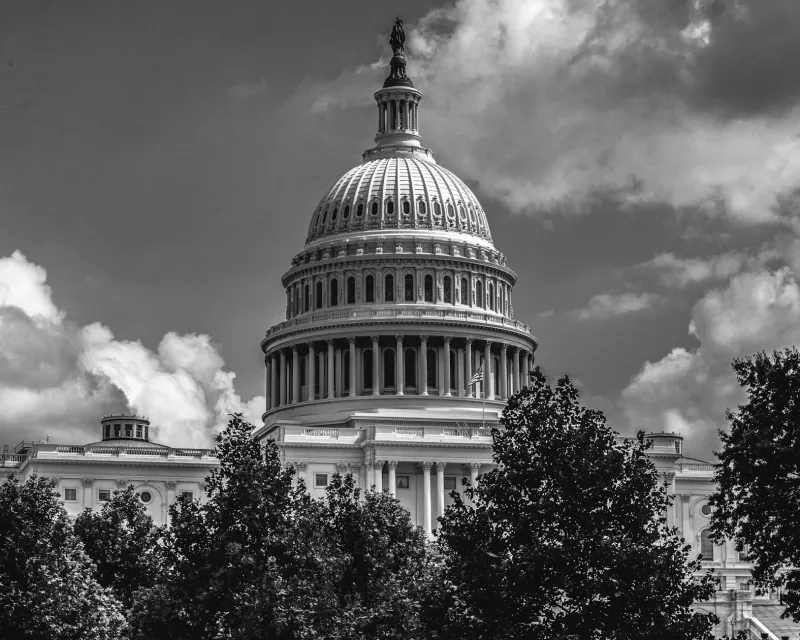
The Supreme Court's 2023 decision in Students for Fair Admissions v. Harvard delivered a constitutional reckoning that was fifty years overdue. But while conservatives celebrated the end of race-conscious college admissions, the ruling exposed a deeper problem: the Equal Protection Clause of the 14th Amendment has been so thoroughly distorted from its original meaning that even a landmark victory feels like putting a band-aid on a constitutional hemorrhage.
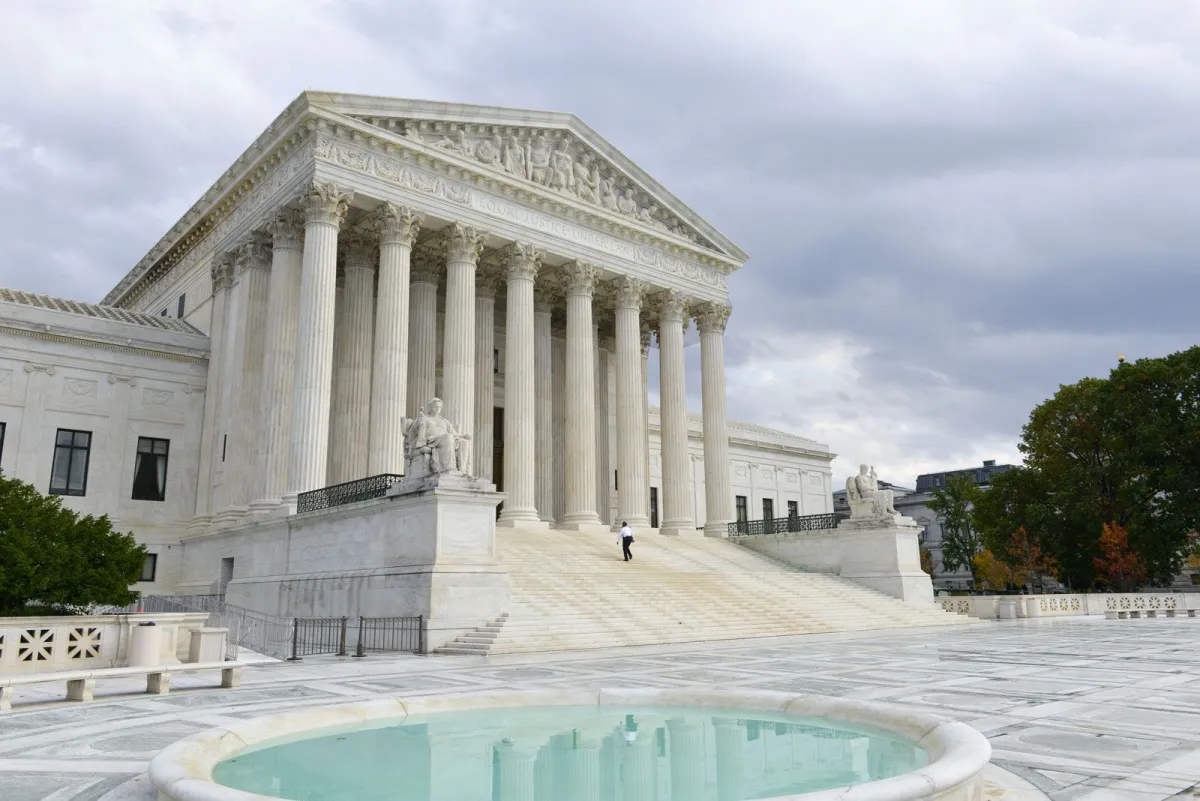 Photo: Supreme Court, via cdn.britannica.com
The Equal Protection Clause states simply that no state shall "deny to any person within its jurisdiction the equal protection of the laws." Written in 1868 to ensure that newly freed slaves received the same legal protections as white citizens, the clause was fundamentally about individual rights — the right of each person to be treated equally by government, regardless of race.
From Individual Rights to Group Outcomes
Somewhere between Reconstruction and today's DEI bureaucracy, that clear principle got lost in translation. Instead of protecting individuals from discriminatory treatment, the Equal Protection Clause has been reinterpreted as a mandate for equal outcomes between racial groups. This transformation didn't happen overnight — it was the result of decades of judicial activism, administrative overreach, and political opportunism.
The shift began in earnest during the Civil Rights era, when well-intentioned efforts to remedy past discrimination gradually morphed into permanent systems of racial preferences. The 1978 Bakke decision allowed race to be considered as "one factor among many" in admissions decisions, opening a loophole that universities drove trucks through for the next four decades. What was supposed to be a temporary measure to level the playing field became an entrenched system of racial quotas disguised as "holistic" admissions.
The numbers tell the story. At Harvard, Asian-American applicants needed SAT scores roughly 140 points higher than white applicants, 270 points higher than Hispanic applicants, and 450 points higher than Black applicants to have the same chance of admission. This wasn't equality — it was state-sponsored discrimination with a progressive veneer.
The Administrative State's Equal Protection Power Grab
The corruption of the Equal Protection Clause extends far beyond college admissions. Federal agencies have used twisted interpretations of the clause to justify racial preferences in government contracting, hiring quotas in federal employment, and "disparate impact" theories that hold employers liable for statistical differences in outcomes between racial groups — even when no intentional discrimination occurred.
The Department of Education's Office for Civil Rights has weaponized Title VI compliance reviews to pressure schools into adopting race-conscious disciplinary policies, arguing that racial disparities in suspension rates automatically constitute discrimination. Never mind that these disparities might reflect actual differences in behavior or local circumstances — under the new Equal Protection orthodoxy, unequal outcomes are presumptive evidence of constitutional violations.
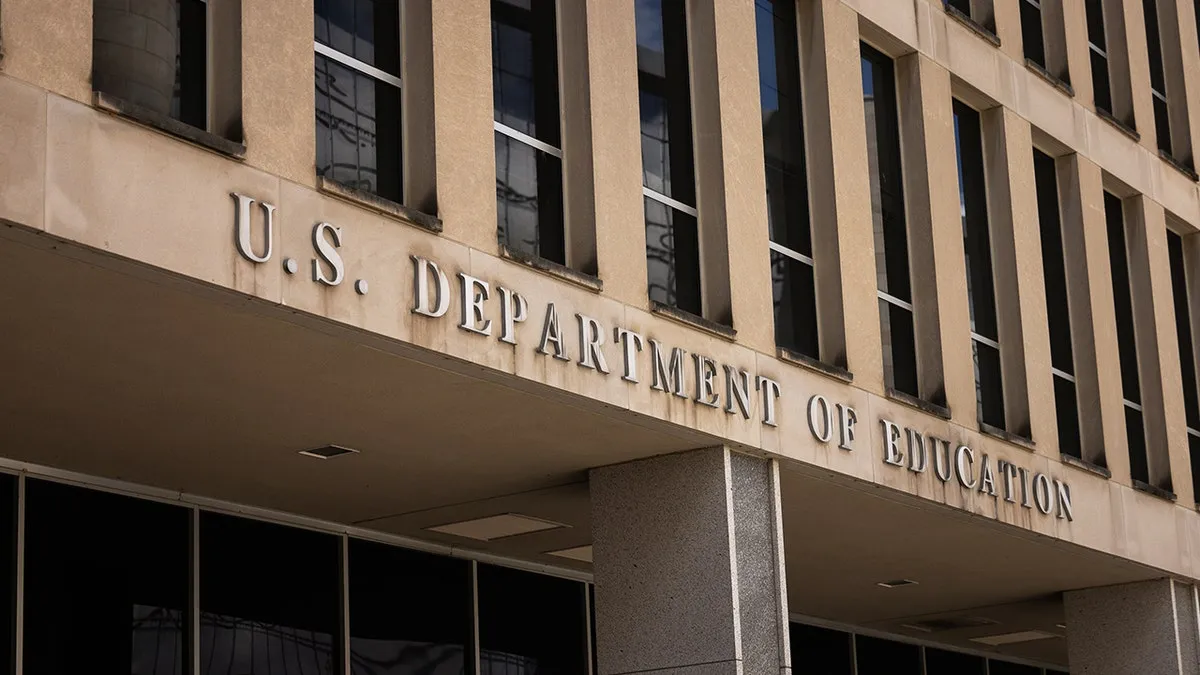 Photo: Department of Education, via a57.foxnews.com
This represents a fundamental inversion of constitutional principles. The Equal Protection Clause was designed to prevent government from treating people differently based on race. It has been transformed into a requirement that government treat people differently based on race to achieve predetermined statistical outcomes.
The Opposition's Hollow Defense
Proponents of this expansive interpretation argue that "colorblind" constitutional interpretation ignores America's history of racial oppression and fails to address ongoing systemic inequalities. They contend that the 14th Amendment's framers intended to remedy the effects of slavery and discrimination, not just prohibit future discrimination.
This argument fails on both historical and logical grounds. The text of the Equal Protection Clause is unambiguous — it protects "persons," not racial groups. The framers knew how to write group-based protections when they wanted to; they chose individual language deliberately. Moreover, temporary remedial measures to address specific instances of past discrimination are constitutionally different from permanent systems of racial preferences that punish individuals who had nothing to do with historical injustices.
The "systemic inequality" justification proves too much. If statistical disparities automatically justify racial preferences, then the Equal Protection Clause becomes meaningless — government can discriminate against any group as long as it claims to be addressing some broader social imbalance.
Beyond Harvard: The Broader Constitutional Crisis
The Students for Fair Admissions decision was a crucial first step, but it barely scratched the surface of how deeply the Equal Protection Clause has been corrupted. Corporate diversity programs, government contracting preferences, and academic hiring practices all rely on the same flawed constitutional interpretation that the Court rejected in the Harvard case.
More troubling still, many institutions are openly defying the Supreme Court's ruling. Several universities have announced plans to maintain racial preferences through "socioeconomic" proxies and "holistic" review processes designed to achieve the same discriminatory outcomes while avoiding explicit racial classifications. This isn't compliance — it's constitutional nullification.
The Equal Protection Clause cannot mean one thing in college admissions and something different in employment law, government contracting, or K-12 education. If racial classifications are constitutionally suspect in one context, they're suspect in all contexts. The Court's logic in Students for Fair Admissions must be applied consistently across every area where government has been picking winners and losers based on race.
Restoring Constitutional Honesty
Returning the Equal Protection Clause to its original meaning won't solve America's complex racial challenges overnight, but it will restore constitutional honesty to our legal system. True equality under law means that government treats each person as an individual, not as a representative of a racial group. It means that your rights and opportunities don't depend on your skin color or ethnic background.
This isn't about ignoring America's racial history — it's about learning from it. The original sin of American law was treating people differently based on race. The solution isn't more racial discrimination in the opposite direction; it's fulfilling the promise of equal protection that the 14th Amendment actually contains.
The Equal Protection Clause was written to guarantee individual equality, not group-based social engineering — and it's time our courts, our bureaucrats, and our institutions started acting like they understand the difference.