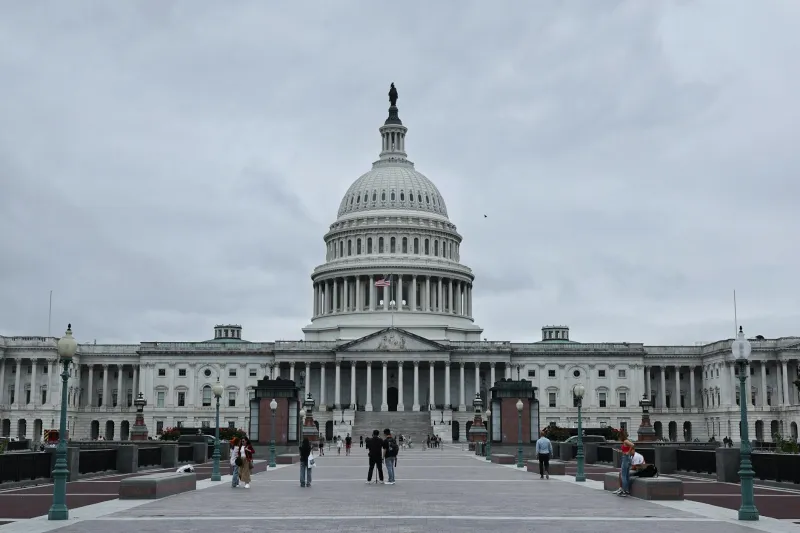
The Shell Game That Broke the Constitution's Tax Guardrail
Article I, Section 7 of the Constitution contains sixteen words that were supposed to protect Americans from taxation without proper representation: "All Bills for raising Revenue shall originate in the House of Representatives." The Founders weren't being cute with language — they meant every word. Yet today, the Senate routinely authors massive tax legislation from scratch using a procedural sleight-of-hand that would make a carnival barker blush, and the Supreme Court has repeatedly declined to call foul.
The latest example crystallizes the problem perfectly. When the Senate wanted to craft its own version of major tax legislation last year, it simply took a completely unrelated House bill about veterans' benefits, stripped out everything after the title, and inserted entirely new tax provisions. Presto — instant "House-originated" revenue bill. This isn't legislative procedure; it's constitutional fraud.
Why the Founders Put the House in Charge of Your Wallet
The Origination Clause wasn't an arbitrary procedural rule — it was a deliberate safeguard rooted in revolutionary experience. The Founders had lived under taxation imposed by a distant Parliament where they had no voice, and they were determined never to repeat that mistake. By requiring revenue bills to originate in the House, the chamber closest to the people and subject to election every two years, they ensured that those who tax would face immediate accountability to those being taxed.
James Madison explained the logic during the Constitutional Convention: the power to tax "was of such a nature as to require the immediate choice of the people to be entrusted with it in the first instance." Alexander Hamilton, writing in Federalist 58, called the House's exclusive power over revenue "the most complete and effectual weapon with which any constitution can arm the immediate representatives of the people."
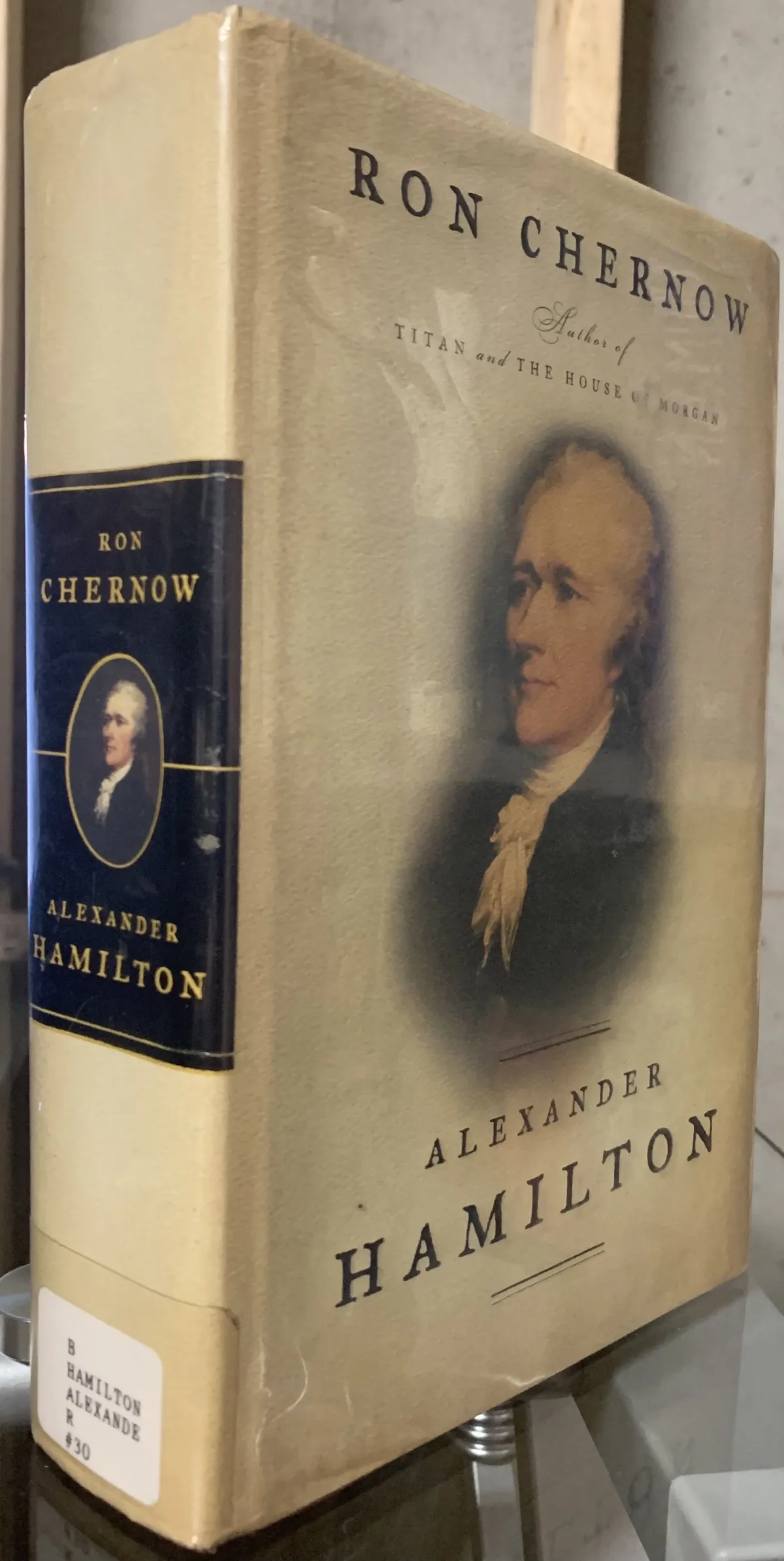 Photo: Alexander Hamilton, via d3525k1ryd2155.cloudfront.net
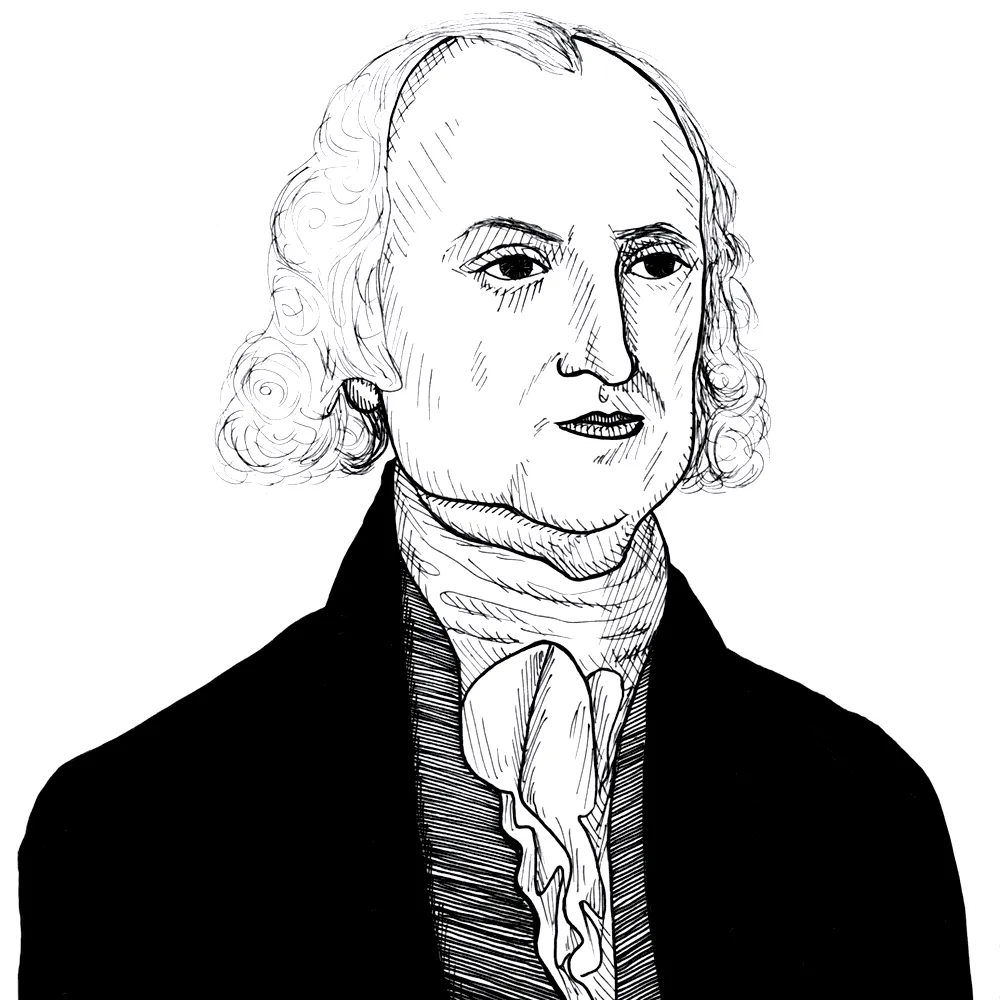 Photo: James Madison, via oll-resources.s3.us-east-2.amazonaws.com
That weapon has been systematically dulled through procedural gamesmanship that transforms constitutional requirements into constitutional suggestions.
The ACA: When Constitutional Violations Become Supreme Court Precedent
The Affordable Care Act stands as the defining case study of how the Origination Clause has been rendered meaningless. The individual mandate — unquestionably a revenue-raising measure that the Supreme Court itself classified as a tax in NFIB v. Sebelius — originated entirely in the Senate. Harry Reid's chamber took a completely unrelated House bill about housing tax credits for service members, gutted its contents, and inserted the entire ACA framework.
 Photo: Harry Reid, via www.harryreid.com
When Pacific Legal Foundation challenged this constitutional violation in Sissel v. U.S. Department of Health and Human Services, they presented an ironclad textual argument: the individual mandate raises revenue, revenue bills must originate in the House, the ACA originated in the Senate, therefore the law violates the Constitution. The D.C. Circuit Court of Appeals responded with judicial contortions that would impress a yoga instructor, ruling that the mandate was somehow not primarily a revenue-raising measure despite generating billions in federal income.
The Supreme Court declined to hear the case, effectively blessing this constitutional work-around through silence. Chief Justice Roberts had already performed enough mental gymnastics to save Obamacare once; apparently, he wasn't interested in defending the Constitution's plain text a second time.
The Modern Senate's Constitutional Contempt
Today's Senate has perfected what constitutional scholars call "gut and amend" — the practice of taking any House-passed bill, removing everything after the title, and inserting completely new legislation. This procedural alchemy allows the Senate to claim technical compliance with the Origination Clause while violating its entire purpose.
The numbers tell the story. According to congressional research data, over 60% of major tax legislation in the past decade has employed some version of this shell-bill strategy. The Tax Cuts and Jobs Act, multiple COVID relief packages, and countless smaller revenue measures have all used House bills as constitutional cover for Senate-authored tax policy.
This isn't an arcane procedural dispute — it's a fundamental question of democratic legitimacy. When the Senate can effectively author tax legislation from scratch, the House's constitutional role as the people's chamber becomes ceremonial window-dressing.
The Liberal Defense That Proves the Conservative Point
Progressives typically defend this practice by arguing that the House still gets to vote on the final product, satisfying the spirit if not the letter of constitutional requirements. This argument inadvertently proves why the Origination Clause matters so much. If mere House approval were sufficient, why would the Founders have specifically required origination in the lower chamber?
The answer is obvious: origination determines the entire trajectory of legislation. The chamber that writes the first draft controls the baseline assumptions, the policy framework, and the terms of debate. Reducing the House to a rubber stamp on Senate tax policy transforms the Constitution's careful balance into a meaningless formality.
Some defenders also claim that modern tax legislation is too complex for the Origination Clause's 18th-century framework. This argument essentially contends that constitutional protections become void when government grows sufficiently complicated — a principle that would eviscerate every constitutional limitation on federal power.
The Broader War on Constitutional Text
The systematic neutering of the Origination Clause reflects a broader judicial and political class comfort with constitutional work-arounds that serve immediate political goals while undermining long-term democratic accountability. When courts refuse to enforce clear textual requirements because doing so might inconvenience preferred policy outcomes, they're not interpreting the Constitution — they're rewriting it.
This judicial abdication has consequences that extend far beyond tax policy. If the Supreme Court won't enforce explicit constitutional language about revenue bills, why should anyone expect vigorous enforcement of constitutional limits on executive power, congressional authority, or individual rights? Constitutional protections that exist only when convenient are not protections at all.
Restoring Constitutional Order
The solution requires both judicial courage and congressional reform. The Supreme Court should grant certiorari in the next major Origination Clause challenge and establish clear precedent that shell-bill work-arounds violate constitutional text regardless of their policy convenience. Lower courts need explicit guidance that constitutional requirements mean what they say, not what Congress wishes they said.
Congress itself could restore constitutional order through rules reforms that eliminate gut-and-amend procedures for revenue legislation. House Republicans have talked about such reforms for years; implementing them would restore the chamber's constitutional prerogatives while forcing the Senate to respect clear constitutional boundaries.
The Origination Clause wasn't designed to make tax legislation easier — it was designed to make it accountable. When constitutional guardrails become optional suggestions, representative government becomes a polite fiction, and the American people pay the price in both dollars and democratic legitimacy.