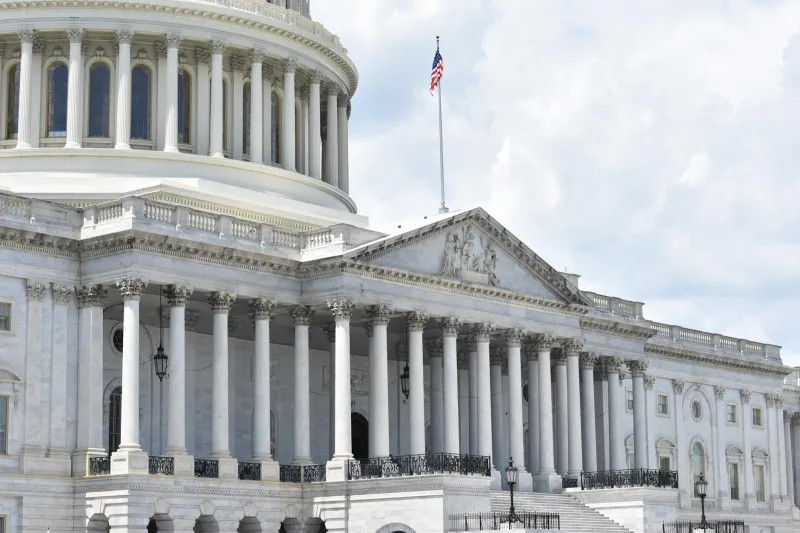
When Manhattan District Attorney Alvin Bragg announced his office would no longer prosecute armed robbery as a felony unless a gun was fired, he wasn't exercising prosecutorial discretion — he was rewriting the law. Across the country, from progressive district attorneys refusing to enforce drug laws to federal prosecutors pursuing cases based on political considerations rather than legal merit, the doctrine of prosecutorial discretion has been weaponized beyond constitutional recognition.
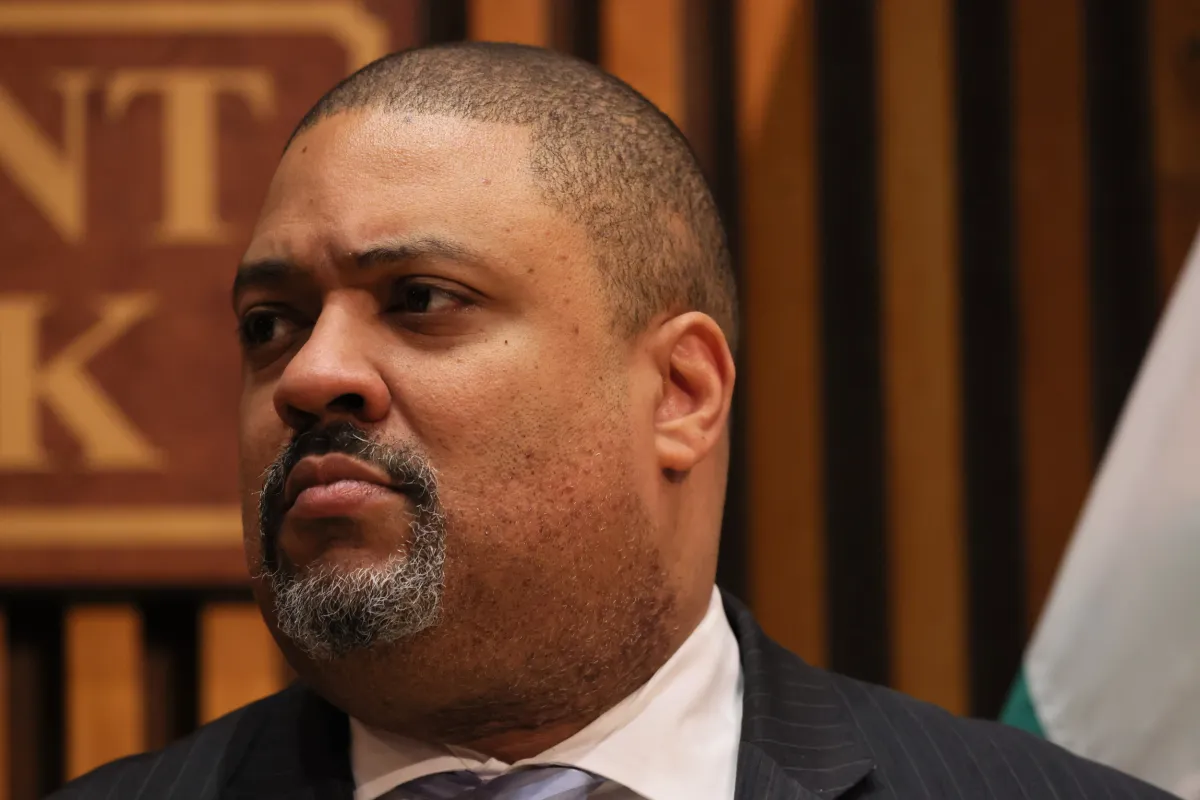 Photo: Alvin Bragg, via d.newsweek.com
What Prosecutorial Discretion Actually Means
Prosecutorial discretion originally served a narrow but essential function: allowing prosecutors to focus limited resources on the most serious cases and to account for unique circumstances that might make prosecution inappropriate despite technical legal violations. The doctrine recognized that not every jaywalker needs to face criminal charges and that prosecutors must prioritize their caseloads.
The Supreme Court established in Wayte v. United States (1985) that prosecutorial discretion is "particularly ill-suited to judicial review" because it involves "complicated balancing of a number of factors which are peculiarly within the prosecutor's expertise." This deference was premised on the assumption that prosecutors would exercise discretion within the bounds of their constitutional duty to "take Care that the Laws be faithfully executed."
The key word is "faithfully." Discretion was never meant to authorize prosecutors to nullify laws they personally oppose or to enforce laws selectively based on the political identity of defendants.
The Progressive Prosecutor Revolution
Beginning with the election of progressive district attorneys in major cities, prosecutorial discretion has been transformed from a case-by-case judgment tool into a broad policy-making power. These prosecutors openly campaign on promises not to enforce entire categories of law, treating their offices as legislative bodies rather than executive agencies.
In Philadelphia, DA Larry Krasner announced his office would no longer prosecute prostitution, drug possession, or retail theft under $500. In Los Angeles, DA George Gascón eliminated cash bail for most offenses and ended prosecution of gang enhancements. In San Francisco, DA Chesa Boudin (before his recall) refused to prosecute public urination, blocking traffic, and most property crimes.
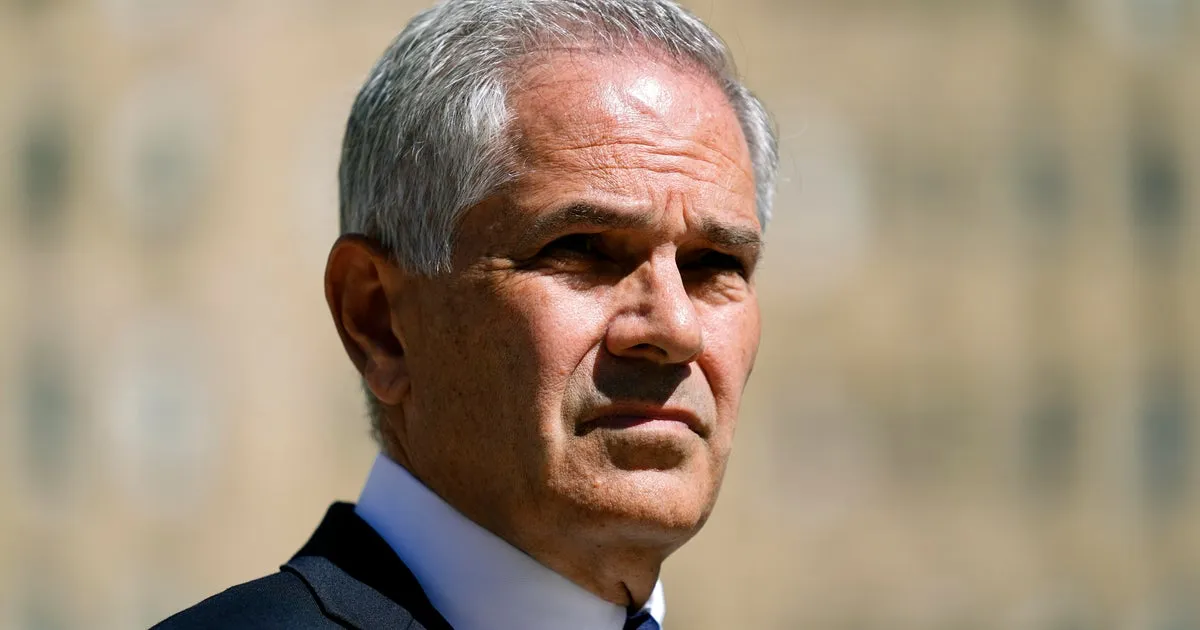 Photo: Larry Krasner, via assets2.cbsnewsstatic.com
These aren't discretionary decisions about individual cases — they're blanket policies that effectively repeal laws without legislative action. When a prosecutor announces categorical non-enforcement, they're not exercising discretion; they're usurping legislative authority.
Federal Politicization: The DOJ's Selective Enforcement
The problem extends beyond local prosecutors to the highest levels of federal law enforcement. The Department of Justice's treatment of January 6th defendants versus BLM rioters reveals how prosecutorial discretion becomes prosecutorial activism when applied inconsistently based on political considerations.
Federal prosecutors have sought lengthy prison sentences for January 6th defendants who committed nonviolent trespassing, while declining to prosecute individuals who firebombed federal buildings during 2020 riots. The legal violations may be different, but the disparate treatment reflects political rather than legal considerations.
Similarly, the DOJ's approach to immigration enforcement varies dramatically based on administration priorities rather than legal requirements. Under the Biden administration, ICE has been instructed to exercise "discretion" in ways that effectively nullify immigration law for broad categories of violations.
The Constitutional Crisis Hidden in Plain Sight
This transformation of prosecutorial discretion violates fundamental constitutional principles in multiple ways. First, it violates the separation of powers by allowing executive officials to nullify laws passed by legislatures. When prosecutors refuse to enforce entire categories of law, they're exercising legislative power without legislative authority.
Second, it violates equal protection by creating a system where identical conduct receives different treatment based on factors unrelated to legal merit. When prosecution depends on the defendant's political views or the prosecutor's policy preferences, equal justice under law ceases to exist.
Third, it violates democratic accountability by allowing unelected prosecutors (or prosecutors elected on narrow local bases) to override the policy judgments of broader democratic majorities. Laws reflect community standards established through democratic processes; prosecutors have no mandate to substitute their personal standards.
The Rule of Law Requires Predictable Enforcement
The rule of law depends on predictability — citizens must be able to understand what conduct is prohibited and expect consistent enforcement of legal standards. When prosecutors treat their offices as policy-making positions, this predictability disappears.
Consider the business owner trying to comply with regulations when enforcement depends on the prosecutor's political views, or the citizen trying to understand what conduct is actually illegal when prosecution depends on prosecutorial ideology rather than legal text. This isn't law — it's arbitrary power dressed up in legal clothing.
The broader consequence is the erosion of democratic governance itself. If elected officials pass laws that prosecutors can simply ignore, then elections become meaningless and democratic accountability disappears.
The Conservative Counter-Revolution
Progressive defenders argue that prosecutorial discretion allows the criminal justice system to evolve beyond harsh or outdated laws, and that selective enforcement has always existed. Both arguments miss the constitutional point.
First, if laws are harsh or outdated, the appropriate remedy is legislative reform, not prosecutorial nullification. Prosecutors take oaths to enforce the law, not to improve it according to their personal judgment.
Second, while selective enforcement has always existed, it traditionally operated within legal frameworks rather than in opposition to them. Historical prosecutorial discretion involved deciding which bank robber to pursue first, not whether bank robbery should remain illegal.
Restoring Constitutional Boundaries
Reforming prosecutorial discretion requires both institutional and legal changes. State legislatures should pass laws requiring prosecutors to justify non-prosecution decisions in writing and creating mechanisms for removing prosecutors who categorically refuse to enforce valid laws.
At the federal level, Congress should clarify that prosecutorial discretion cannot be used to nullify entire categories of law and should create oversight mechanisms to ensure DOJ enforcement policies align with legislative intent rather than political preferences.
Most importantly, voters must understand that prosecutor elections have become policy elections in disguise. When candidates campaign on promises not to enforce laws, they're campaigning to violate their constitutional duties.
The Stakes: Democracy vs. Prosecutor Rule
The weaponization of prosecutorial discretion represents a fundamental threat to democratic governance. When prosecutors can effectively repeal laws through non-enforcement, legislative authority becomes meaningless and democratic accountability disappears.
This isn't about conservative versus progressive policy preferences — it's about whether we'll maintain a system where laws mean what they say and apply equally to all citizens, or whether we'll accept a system where enforcement depends on prosecutorial ideology and political considerations.
Prosecutorial discretion was designed to serve justice, not to subvert it — and the difference between the two is the difference between law and arbitrary power.