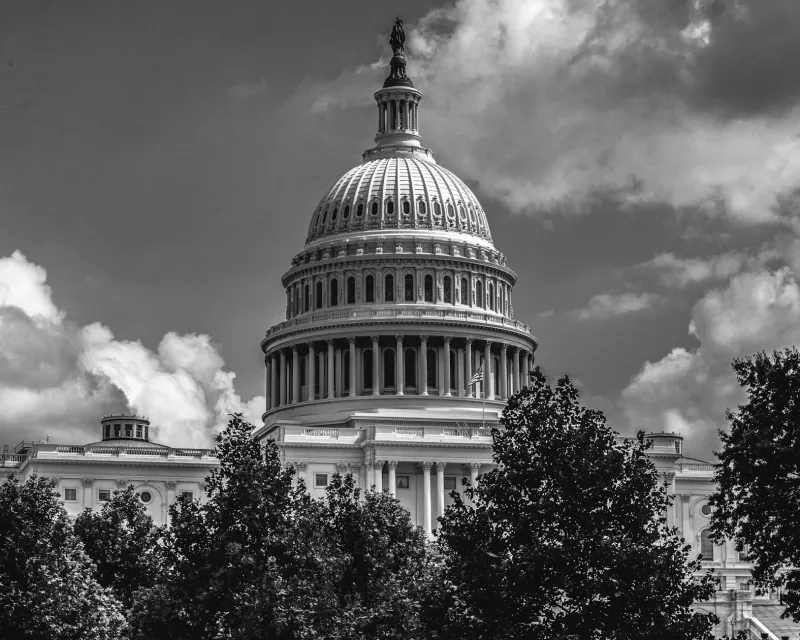
When the Founders drafted Article II of the Constitution, they created a deliberate obstacle to foreign entanglements: any treaty binding the United States would require approval from two-thirds of the Senate. This wasn't bureaucratic red tape — it was a constitutional firewall designed to ensure that no single person could commit America to international obligations without broad democratic consent.
Today, that firewall has been reduced to rubble. Presidents from both parties have discovered they can sidestep the Senate entirely through "executive agreements" — international compacts that carry the force of treaties but require no congressional approval whatsoever. The result is a constitutional crisis hiding in plain sight, where the executive branch has assumed treaty-making powers the Founders never intended it to possess.
The Rise of Executive End-Runs
The practice isn't entirely new, but its scope and audacity have exploded in recent decades. Jimmy Carter used executive agreements to implement portions of the Camp David Accords. Bill Clinton relied on them for NAFTA's environmental side agreements. But it was Barack Obama who turned executive agreements into a systematic tool for rewriting American policy without Senate interference.
 Photo: Camp David Accords, via www.shutterstock.com
The Paris Climate Accord stands as perhaps the most brazen example. In 2015, Obama committed the United States to legally binding emissions targets that would fundamentally reshape the American economy — all without submitting the agreement to the Senate for ratification. When pressed on the constitutional implications, the administration simply declared it wasn't a "treaty" but an "executive agreement," as if semantic gymnastics could overcome constitutional requirements.
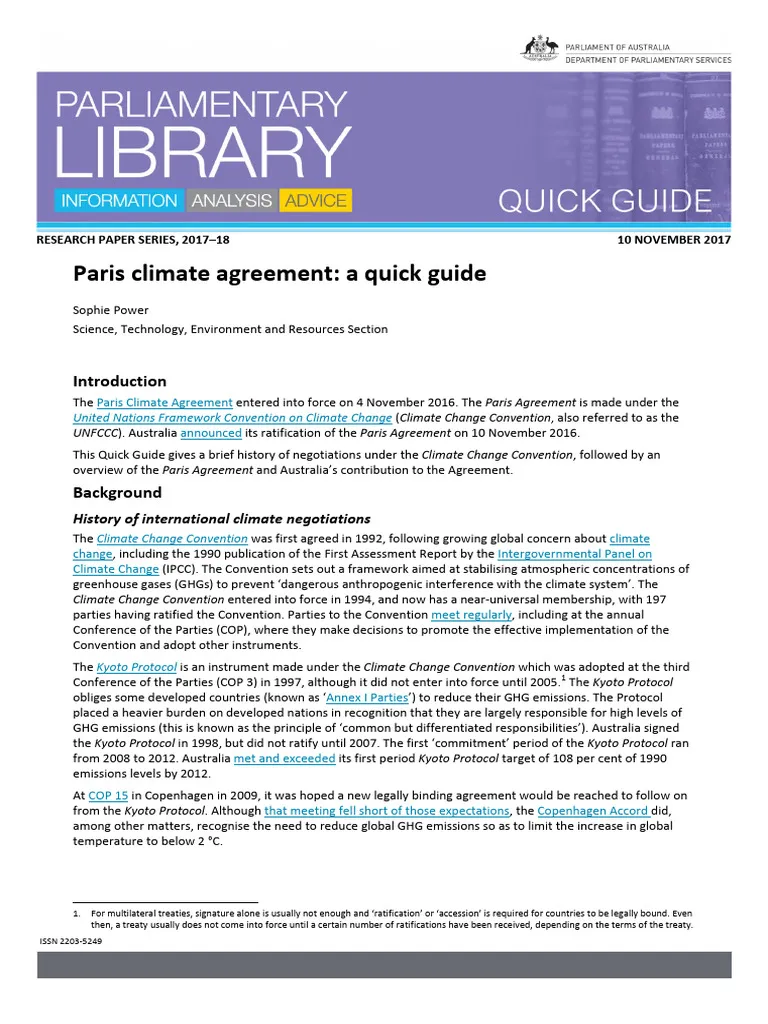 Photo: Paris Climate Accord, via imgv2-2-f.scribdassets.com
The Iran nuclear deal followed the same playbook. Despite involving the partial lifting of congressional sanctions and billions in sanctions relief, Obama bypassed the Senate by framing the Joint Comprehensive Plan of Action as an executive agreement. The administration even structured the deal to avoid triggering congressional review requirements, ensuring lawmakers had minimal leverage to block implementation.
Constitutional Originalism vs. Executive Convenience
Defenders of this practice argue that executive agreements serve legitimate diplomatic purposes and that modern international relations require flexibility the treaty process cannot provide. They point to trade deals, defense cooperation agreements, and technical arrangements that benefit from streamlined implementation.
This argument fundamentally misunderstands both the Constitution's text and its underlying principles. The Founders weren't naive about diplomatic necessity — they crafted the treaty clause precisely because they understood that international agreements carry enormous domestic consequences. They wanted those consequences debated, scrutinized, and approved by the branch of government closest to the people.
Moreover, the "flexibility" argument proves too much. If presidents can bypass Senate approval whenever they deem it diplomatically convenient, then the treaty clause becomes meaningless. The Constitution doesn't include escape hatches for inconvenient democratic processes — it requires them specifically when the stakes are highest.
The Scope of the Problem
The numbers tell the story of constitutional erosion. According to the Congressional Research Service, the United States has entered into more than 18,000 executive agreements since 1789, compared to fewer than 1,200 formal treaties. In recent decades, the ratio has become even more lopsided — executive agreements now outnumber treaties by margins of 10-to-1 or higher.
This isn't merely about quantity; it's about the substance of what's being agreed to without Senate input. Climate commitments that could reshape entire industries. Trade provisions that affect American workers. Defense agreements that could entangle the United States in foreign conflicts. Nuclear arrangements that determine war and peace. All implemented through executive fiat rather than constitutional process.
Congressional Acquiescence and Institutional Decay
Perhaps most troubling is Congress's passive acceptance of its own marginalization. Rather than asserting its constitutional prerogatives, the legislative branch has largely acquiesced to executive overreach. Some lawmakers grumble about being bypassed, but few have taken concrete steps to reassert treaty oversight authority.
This institutional passivity reflects a broader problem in American governance: the gradual concentration of power in the executive branch at the expense of constitutional checks and balances. When Congress fails to defend its own authority, it doesn't just harm the legislature — it undermines the entire constitutional system of separated powers.
The Path Forward
Congress possesses multiple tools to restore constitutional order, but it must have the political will to use them. The Case-Zablocki Act already requires the executive branch to report executive agreements to Congress, but enforcement has been sporadic. Lawmakers could strengthen oversight requirements, mandate public disclosure of agreement terms, and create automatic sunset clauses for agreements lacking Senate approval.
More fundamentally, Congress could clarify through legislation that certain categories of international commitments — those involving significant domestic policy changes, substantial financial obligations, or long-term strategic commitments — require formal treaty ratification regardless of how the executive branch labels them.
The Supreme Court could also play a role by establishing clearer boundaries between legitimate executive agreements and unconstitutional treaty substitutes. The current jurisprudence provides insufficient guidance, allowing presidents to exploit ambiguity in pursuit of expanded power.
Restoring Constitutional Government
The treaty power represents more than a procedural nicety — it embodies the Founders' conviction that momentous decisions affecting the nation's future should reflect democratic deliberation rather than executive preference. When presidents circumvent the Senate through semantic sleight-of-hand, they don't just violate constitutional text; they undermine constitutional principles of accountability and consent.
The solution requires both institutional reform and political courage. Congress must reclaim its constitutional role, the courts must enforce constitutional boundaries, and the American people must demand that their representatives govern according to law rather than convenience.
The alternative is a presidency unbound by constitutional constraints, free to commit the nation to international obligations without democratic input — exactly the kind of unchecked executive power the Founders designed the Constitution to prevent.