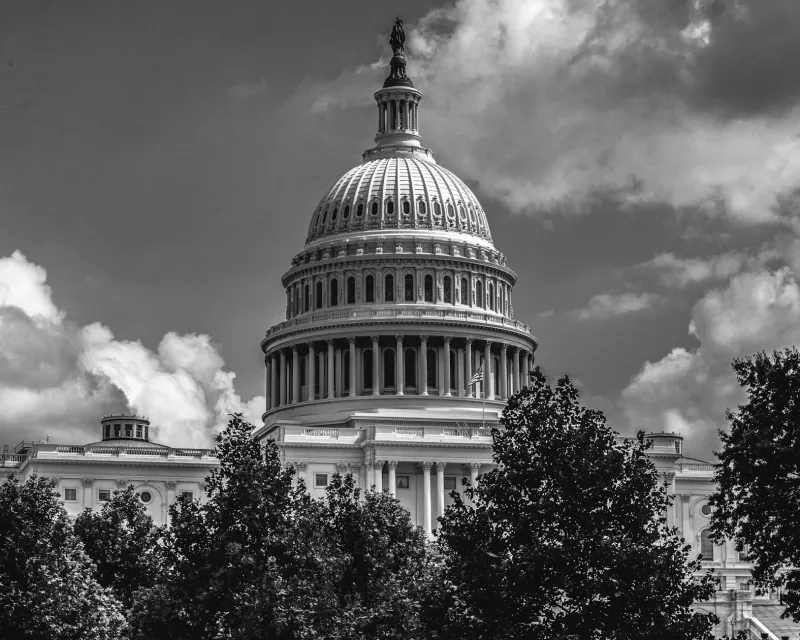
On November 7, 1973, Congress overrode President Nixon's veto to pass the War Powers Resolution, a landmark attempt to reclaim the legislative branch's constitutional authority to declare war. Fifty years later, the law stands as perhaps the most spectacular failure in congressional oversight — a toothless tiger that presidents of both parties have systematically ignored while deploying American forces across the globe.
The Constitutional Framework the Founders Intended
Article I, Section 8 of the Constitution grants Congress the exclusive power to "declare war." This wasn't an oversight or antiquated provision — it was a deliberate safeguard against executive tyranny. The Founders, fresh from their experience with King George III's military adventures, understood that the power to wage war must never rest in the hands of one person.
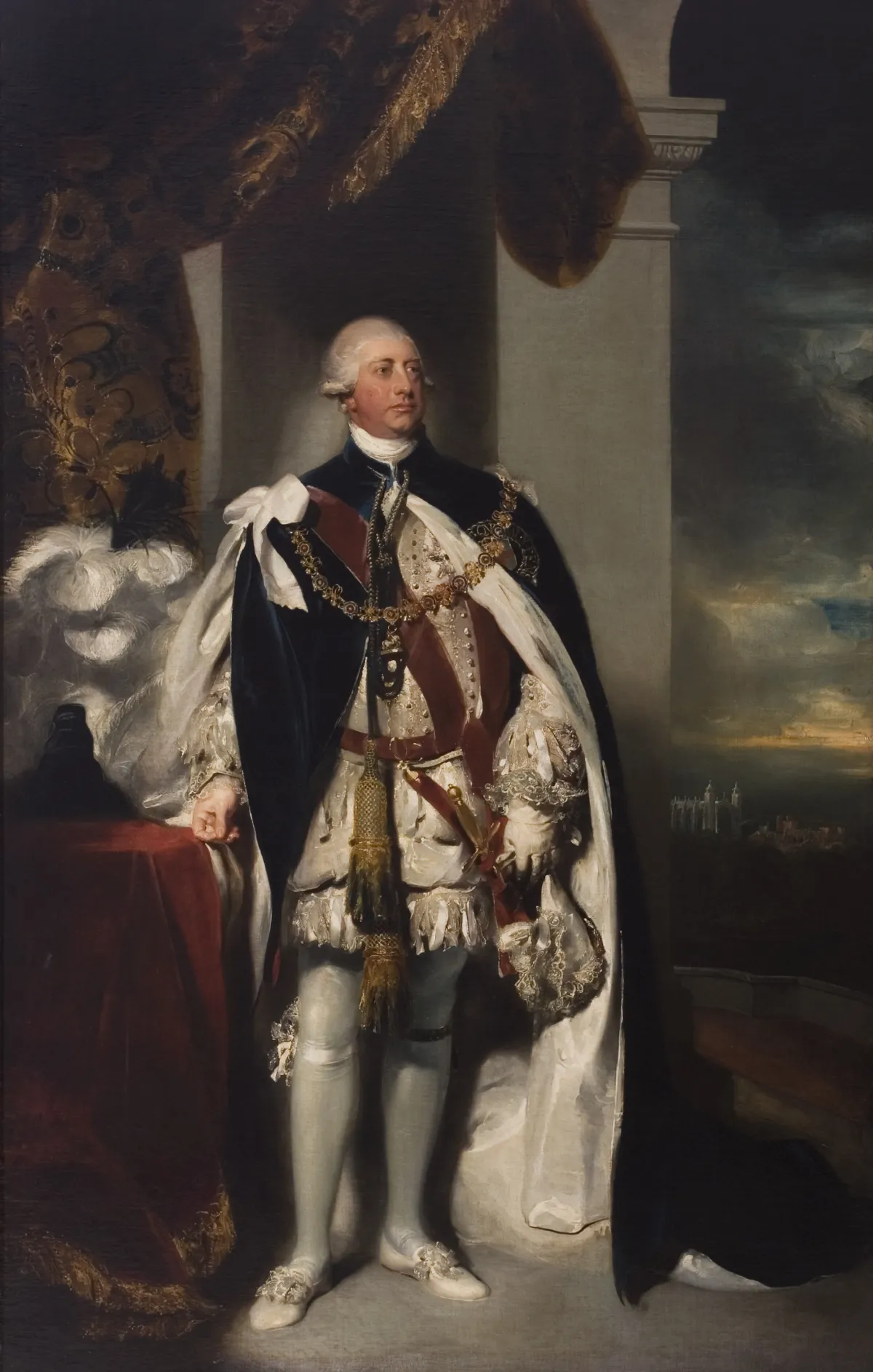 Photo: King George III, via vangoyourself.com
James Madison made this crystal clear in a 1793 letter to Thomas Jefferson: "The constitution supposes, what the History of all Governments demonstrates, that the Executive is the branch of power most interested in war, and most prone to it."
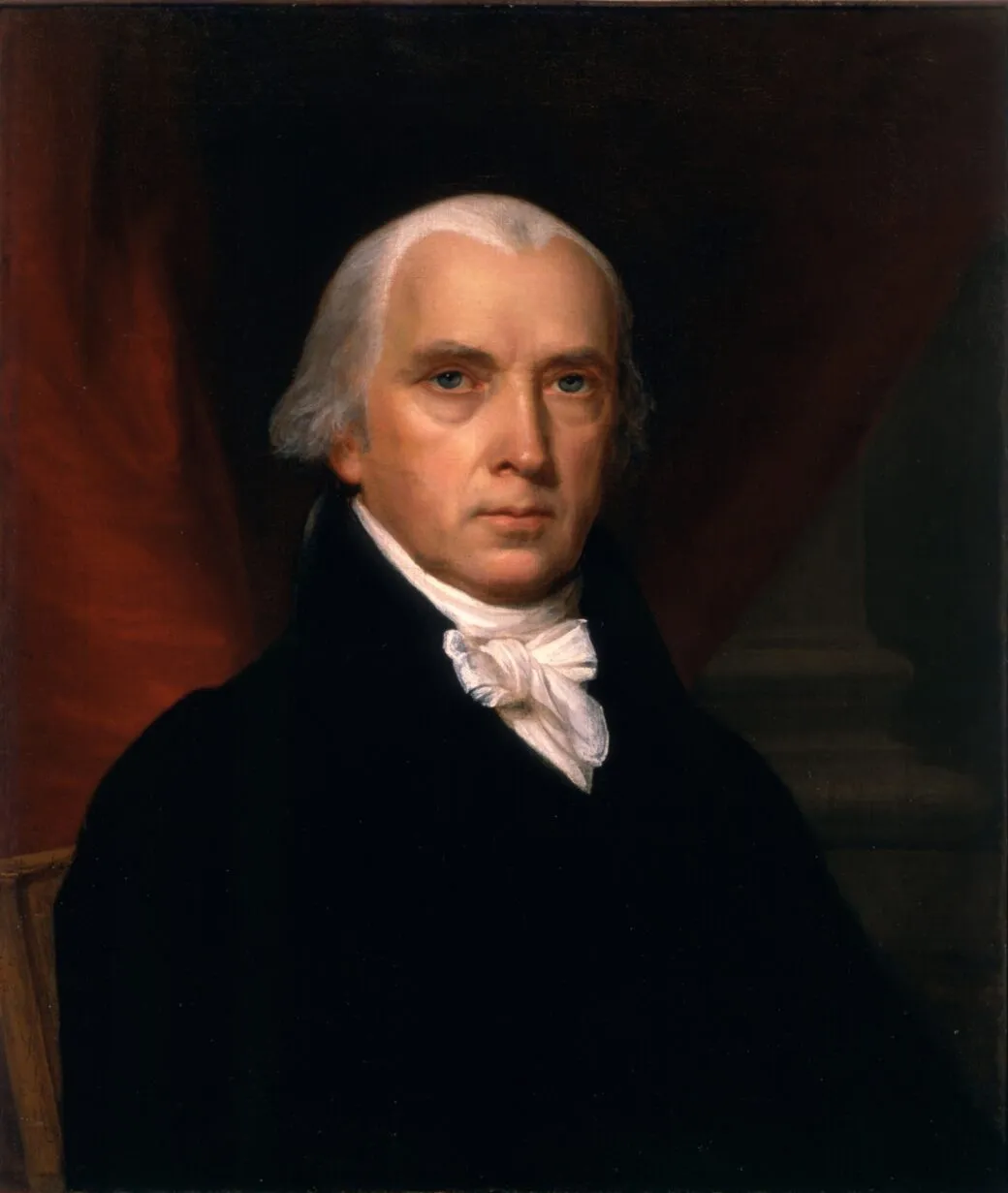 Photo: James Madison, via d1y822qhq55g6.cloudfront.net
The War Powers Resolution was supposed to restore this constitutional balance after decades of executive overreach during the Cold War. Instead, it has become exhibit A in how Congress can pass laws that look tough on paper while surrendering real authority in practice.
Five Decades of Presidential End-Runs
Every president since Nixon has found creative ways to circumvent the Resolution's 60-day limit on unauthorized military action. Reagan invaded Grenada without congressional approval. Clinton bombed Kosovo for 78 days — 18 days longer than the Resolution allows. Bush launched the Iraq War based on a broad Authorization for Use of Military Force that Congress never intended to be a blank check for global intervention.
Obama took the cake by arguing that bombing Libya for seven months didn't constitute "hostilities" under the Resolution because American pilots weren't being shot at. This legal gymnastics would have made the Founders roll in their graves, but Congress did nothing.
Trump continued the pattern, launching missile strikes against Syria and ordering the assassination of Iranian General Qasem Soleimani without meaningful legislative consultation. Biden's chaotic Afghanistan withdrawal and ongoing military aid to Ukraine have similarly bypassed serious congressional war powers oversight.
The Numbers Don't Lie
Since 1973, presidents have notified Congress of military deployments under the War Powers Resolution more than 130 times. In exactly zero cases has Congress used its authority to force a withdrawal. The Resolution requires presidents to withdraw forces after 60 days without explicit congressional authorization — yet American troops remain deployed in Syria, Iraq, Somalia, and dozens of other countries where Congress never declared war.
The financial cost of this constitutional abdication is staggering. The U.S. has spent over $8 trillion on post-9/11 military operations, according to Brown University's Costs of War project. None of these expenditures received the kind of sustained congressional deliberation the Founders envisioned for decisions of war and peace.
Why Congress Won't Act
Critics argue that modern warfare moves too quickly for the deliberative process the Constitution requires. This misses the point entirely. The Founders didn't design the war powers clause for convenience — they designed it to make war harder to start and easier to stop.
The real reason Congress won't enforce the War Powers Resolution is political cowardice. Lawmakers would rather let presidents make the hard decisions and then criticize them afterward than take responsibility for authorizing or prohibiting military action. It's easier to fundraise off outrage than to cast tough votes.
This institutional cowardice has created a vicious cycle. Presidents ignore congressional war powers because they know Congress won't fight back. Congress doesn't fight back because it knows voters will blame the president if military operations go wrong. Meanwhile, the Constitution becomes increasingly irrelevant.
The Conservative Case for Congressional War Powers
Restoring congressional authority over war powers isn't isolationism — it's constitutionalism. Conservative principles demand that we follow the law as written, not as we wish it were. The same constitutional fidelity that opposes judicial activism should oppose executive usurpation of legislative authority.
Moreover, requiring congressional authorization for military action would force a more honest debate about America's global commitments. Instead of stumbling into endless conflicts through executive incrementalism, Congress would have to explicitly decide which wars are worth fighting and which aren't.
This doesn't mean America should retreat from the world stage. It means our military interventions should have the democratic legitimacy that comes from legislative approval. If a military action can't survive congressional debate, maybe it shouldn't happen at all.
The Path Forward
Some recent developments offer hope. In 2019, the House passed a resolution directing Trump to withdraw forces from hostilities against Iran within 30 days. While largely symbolic, it showed growing bipartisan frustration with executive overreach.
More substantively, Congress could use its power of the purse to enforce war powers limits. No appropriations for unauthorized military operations. No funding for bases in countries where Congress hasn't approved a military presence. No salaries for Pentagon officials who deploy troops without legislative authorization.
The Supreme Court has generally avoided war powers cases as "political questions," but a sufficiently egregious executive overreach might finally force judicial intervention. Constitutional conservatives should welcome such a case as an opportunity to restore the separation of powers.
Beyond Partisan Politics
The war powers crisis transcends partisan politics because both parties have contributed to it. Republican hawks who cheered Bush's expansive war powers complained when Obama used similar authority. Democratic doves who criticized Trump's military unilateralism have stayed quiet about Biden's.
This hypocrisy proves that the problem isn't partisan — it's institutional. Congress as an institution has surrendered its constitutional authority, and no amount of partisan posturing will restore it. Only sustained institutional action, regardless of which party controls the White House, can revive the war powers clause.
The Verdict
Fifty years after the War Powers Resolution's passage, America faces a stark choice: restore the constitutional balance the Founders intended, or admit that we've become the very thing they fought a revolution to prevent — a nation where one person can take us to war on a whim. The Constitution isn't a suggestion, and neither are the limits it places on executive power.