Executive Orders Are Supposed to Be Instructions, Not Laws — Here's How Presidents of Both Parties Turned That Distinction Into a Fiction

President Biden signed 94 executive orders in his first two years in office. President Trump signed 220 during his four-year term. President Obama issued 276 over eight years. Each order carried the force of law, reshaping immigration policy, environmental regulations, labor standards, and healthcare requirements — all without a single congressional vote.
This represents a fundamental perversion of the executive order's constitutional purpose. The Founders envisioned executive orders as internal management tools, allowing presidents to direct how the executive branch implements laws passed by Congress. They never intended them to become substitutes for legislation or end-runs around democratic deliberation.
What the Founders Actually Intended
The Constitution grants the president "executive Power" and requires that he "take Care that the Laws be faithfully executed." These provisions establish the president as the nation's chief executive officer, responsible for implementing congressional legislation through the federal bureaucracy.
Executive orders emerged as administrative tools to help presidents fulfill this constitutional duty. George Washington's first executive order established procedures for Revolutionary War pension claims — a straightforward implementation of legislation Congress had already passed. Thomas Jefferson used an executive order to establish trading houses with Native American tribes, again pursuant to existing congressional authorization.
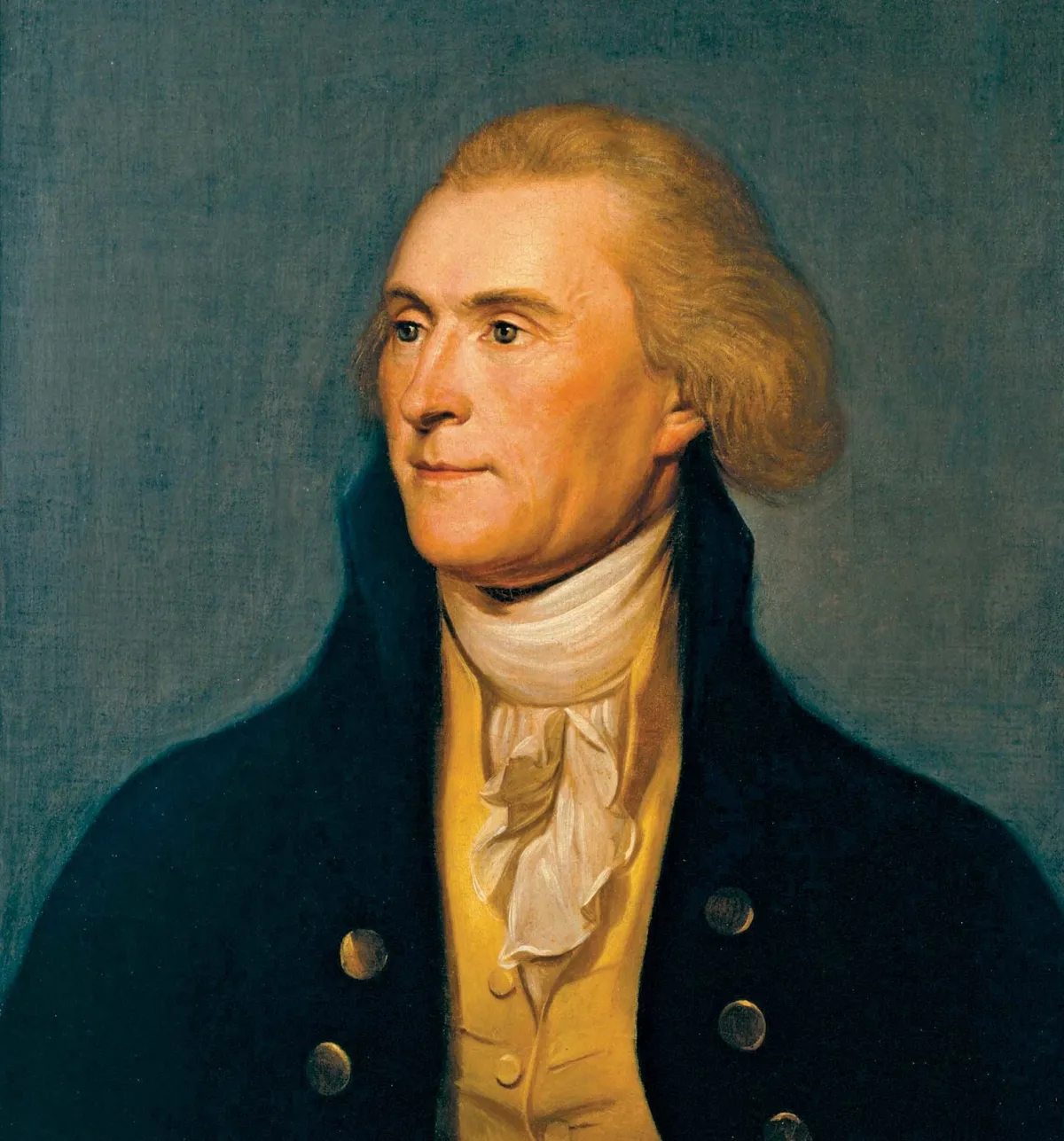 Photo: Thomas Jefferson, via cdn.britannica.com
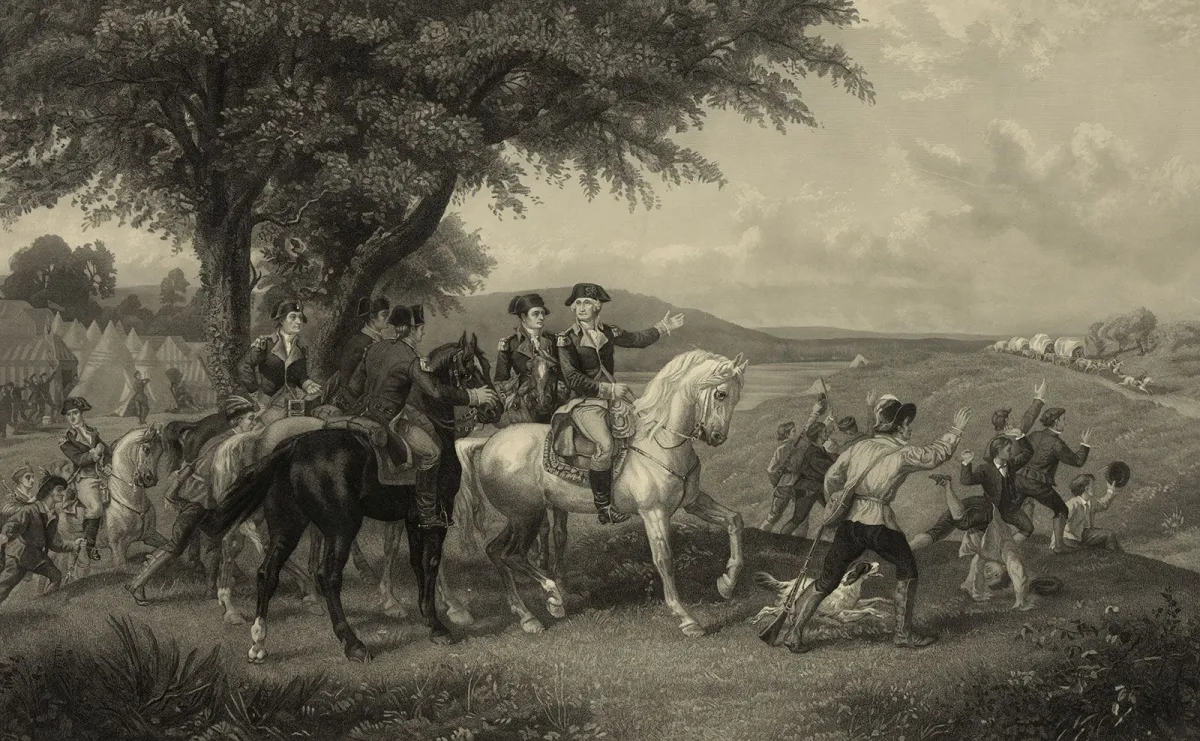 Photo: George Washington, via cdn.britannica.com
These early orders shared common characteristics: they directed executive branch operations, they implemented existing law rather than creating new policy, and they affected government personnel rather than private citizens. Most importantly, they operated within clear constitutional boundaries that subsequent presidents have systematically ignored.
The Modern Transformation
Today's executive orders bear little resemblance to their historical predecessors. Consider some recent examples:
President Obama's Deferred Action for Childhood Arrivals (DACA) program, implemented through executive memorandum, effectively granted legal status to approximately 800,000 undocumented immigrants. This wasn't implementation of existing law — it was creation of new immigration policy that Congress had repeatedly refused to pass.
President Trump's travel restrictions on several majority-Muslim countries, implemented through executive order, established new entry requirements that Congress had never authorized. Whether one supports or opposes such restrictions, they represented presidential lawmaking rather than law execution.
President Biden's climate executive orders mandated federal agencies to incorporate climate considerations into all policy decisions, effectively creating a government-wide environmental review process that Congress never established. These orders didn't implement existing climate legislation — they created new regulatory requirements from whole cloth.
The Institutional Enabling
This constitutional drift didn't happen overnight, and it wasn't driven by any single president or party. Instead, it represents the gradual breakdown of institutional constraints that once limited executive power.
Congress bears primary responsibility for this breakdown. Lawmakers from both parties have discovered that allowing presidents to govern through executive orders provides political cover for controversial decisions. When popular policies succeed, legislators can claim credit. When unpopular policies fail, they can blame the president. This arrangement lets Congress avoid taking difficult votes while maintaining the fiction that they're the ones making law.
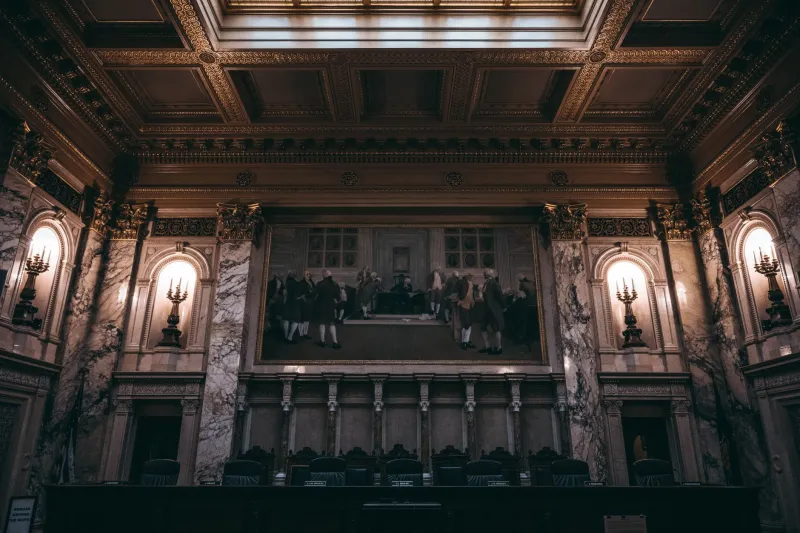
The federal courts have also enabled executive overreach by declining to enforce clear constitutional boundaries. Rather than requiring presidents to demonstrate explicit congressional authorization for their orders, courts often defer to broad claims of executive authority or implied legislative approval. The Supreme Court's recent trend toward strengthening executive power has only accelerated this judicial abdication.
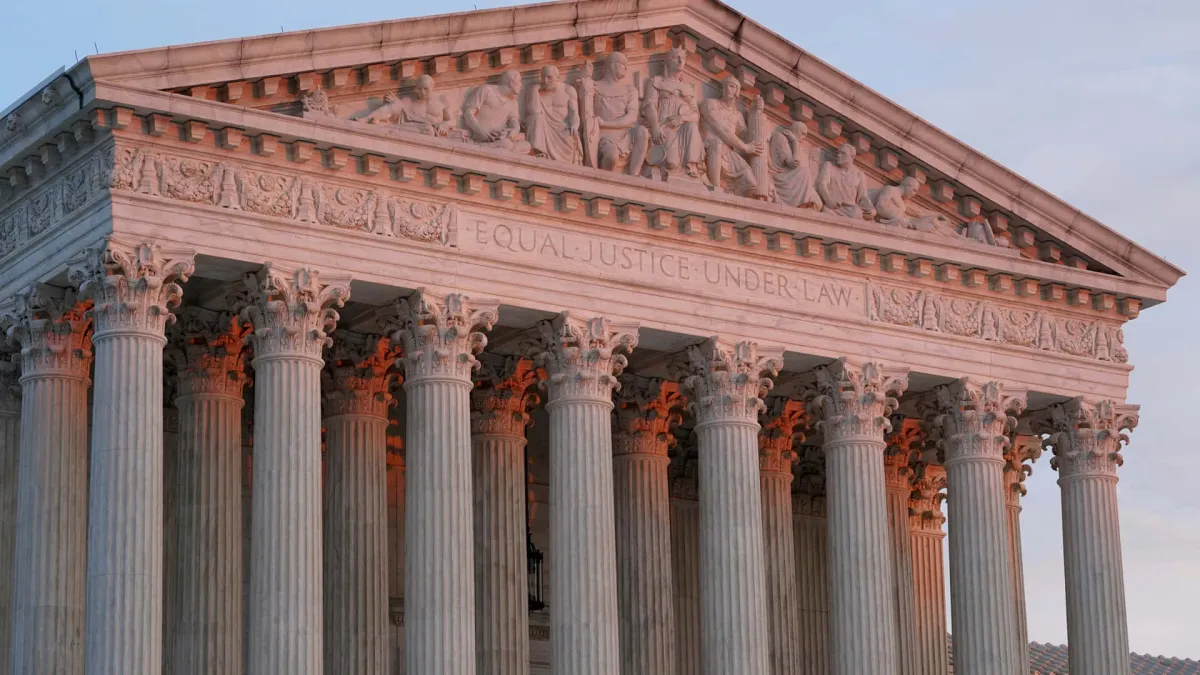 Photo: Supreme Court, via wallpapers.com
Most perniciously, the administrative state has grown so large and complex that presidents can often find some statutory hook on which to hang sweeping policy changes. When the executive branch employs over 2 million civilians and implements thousands of federal programs, creative lawyers can usually identify some existing authority that might justify new presidential directives.
The Partisan Ratchet
Perhaps the most damaging aspect of executive order abuse is its partisan character. Each administration pushes the boundaries further than its predecessor, confident that its supporters will defend presidential power when their candidate wields it.
Republicans who cheered Trump's immigration orders largely ignored their constitutional problems. Democrats who criticized those same orders as executive overreach now defend Biden's climate directives. This partisan hypocrisy has destroyed any principled defense of constitutional boundaries.
The result is a ratchet effect where executive power expands regardless of which party controls the White House. Each president inherits expanded authorities from his predecessor and adds new ones for his successor. The constitutional principle that presidents execute law rather than make it becomes increasingly meaningless.
This dynamic is particularly dangerous because it makes constitutional violations appear normal. When both parties engage in executive overreach, criticism appears partisan rather than principled. Americans become accustomed to presidential lawmaking, and the constitutional requirement for legislative approval seems antiquated rather than essential.
The Real Constitutional Crisis
The executive order problem represents a genuine constitutional crisis, though not the kind that dominates cable news. This isn't about any particular policy outcome — it's about the systematic erosion of the separation of powers that protects democratic governance.
When presidents can implement major policy changes without congressional approval, they're not just exceeding their constitutional authority — they're undermining the entire democratic process. Voters elect representatives to make law, but those representatives increasingly delegate their authority to presidents who can act unilaterally.
This arrangement might seem efficient, but efficiency was never the highest constitutional value. The Founders designed a system that moves slowly and requires broad consensus for major policy changes. Executive orders short-circuit this deliberative process, allowing presidents to impose their will on unwilling populations.
The damage extends beyond any particular policy dispute. When presidents routinely exceed their constitutional authority, they normalize the idea that constitutional constraints are optional rather than binding. This precedent threatens the entire constitutional order, not just the separation of powers.
Beyond Partisan Politics
Addressing executive order abuse requires moving beyond partisan considerations to focus on constitutional principles. Americans who support strong presidential leadership should recognize that unchecked executive power threatens the very democratic institutions that make such leadership possible.
Conservatives, in particular, should understand that executive orders represent the same kind of unconstrained government power they oppose in other contexts. A president powerful enough to implement conservative policies through unilateral action is powerful enough to implement liberal policies the same way — and will, when political control changes hands.
The solution isn't to hope that future presidents will voluntarily restrain themselves. It's to restore institutional constraints that make such restraint unnecessary. This means Congress must reclaim its legislative authority, courts must enforce constitutional boundaries, and citizens must demand that their representatives actually represent them rather than delegating authority to presidents.
Restoring Constitutional Order
Meaningful reform would require several changes. Congress should pass legislation clarifying that executive orders cannot create new legal obligations for private citizens without explicit statutory authorization. The Supreme Court should revive the nondelegation doctrine and require clear congressional approval for presidential policy-making. Most importantly, Americans should judge executive orders not by their policy outcomes but by their constitutional authority.
This doesn't mean presidents should be powerless to respond to emergencies or manage the executive branch. It means they should exercise their legitimate constitutional authority rather than usurping legislative power. The difference between executing law and making law isn't semantic — it's the foundation of democratic governance.
Executive orders were supposed to be instructions for federal employees, not laws for American citizens — and pretending otherwise has brought us dangerously close to the kind of executive rule the Founders fought a revolution to escape.